Monday, December 12, 2011

Maternally Yours to Air Exclusive Interview with CNN Hero of the Year Robin Lim


Last night, international midwife Robin Lim was named the 2011 CNN Hero of the Year, accepting an award of $250,000 for her non-profit birth clinic Yayasan Bumi Sehat in Bali, Indonesia. Maternally Yours, Sarasota’s Conversation about Pregnancy, Childbirth and Early Motherhood, recorded an exclusive interview with Robin just days before her win, and will air the interview on Tuesday, December 13th, on Sarasota’s community radio station, WSLR 96.5 LPFM.

“To say I am thrilled for her is the understatement of the century,” says Maternally Yours co-hostess Ryan Stanley. “This win will make real change for mothers and babies in Indonesia and worldwide—mothers and babies will live and thrive because of this award.”
Since 2005, Robin Lim’s clinic Bumi Sehat (translated as Healthy Earth) has treated nearly 113,000 patients and delivered nearly 4,000 babies for free in Bali, where rates of postpartum hemorrhage and maternal and infant mortality are among the highest in the world. “Ibu” (Mother) Robin is a midwife, well-known author and talented poet who has dedicated the last 13 years of her life to this clinic, despite constant financial, cultural and geographic challenges.

“The earthquake that we just had last month…was big enough that we have cracks in the building. The floor started to rise up in one of the birth rooms because of the movement underneath the ground. About twenty minutes after one of our moms gave birth, the floor actually exploded,” Robin told Maternally Yours last Wednesday. “When that happened, I committed in my heart to winning. Should we be gifted that money…from CNN on Sunday night, it will go toward building that clinic.”

Speaking from the Texas home of her daughter Deja Bernhardt (who directed the film Guerrilla Midwife about Robin’s work), Robin told Maternally Yours how she was feeling en route to Los Angeles to find out if she would be named CNN Hero of the Year. “I would say that nervous is one good word; I think it’s because it’s so much bigger than me,” said Robin. “I feel like this is the time for people to come out and vote for the concerns of mothers and babies and children, and that woman-to-woman, midwife-to-mother model of care.”

And, for eleven weeks straight, people voted.

During her acceptance speech last night, Robin Lim made a tearful plea for the world’s help in reducing maternal and infant mortality.

"Today on our Earth, 981 mothers in the prime of their life will die—and tomorrow again, and yesterday," said Robin. "We don't even know how many babies are lost, but all of us can help change that. The very best way that I know is to support your midwifery to mother care, so that the midwives can help lower the risks of motherhood, and we can save lives together—mothers and babies.”

Robin Lim is a friend and listener of Maternally Yours, which seeks to educate and inform women and families about the options, support, and evidence-based best practices available to them in maternal-child healthcare. “What you’re doing…is an exciting thing,” said Robin. “In this day and age, we’ve lost that radio medicine. You’re bringing it back in a beautiful way.”

To hear the exclusive Maternally Yours interview with 2011 CNN Hero of the Year Robin Lim, please tune into WSLR 96.5 LPFM Tuesday evening, December 13, at 6:00pm. The program is also available via live streaming on wslr.org, and podcast at podomatic.com/profile/maternallyyoursradio. For more information, please contact the hostesses of Maternally Yours at MaternallyYoursRadio@gmail.com.

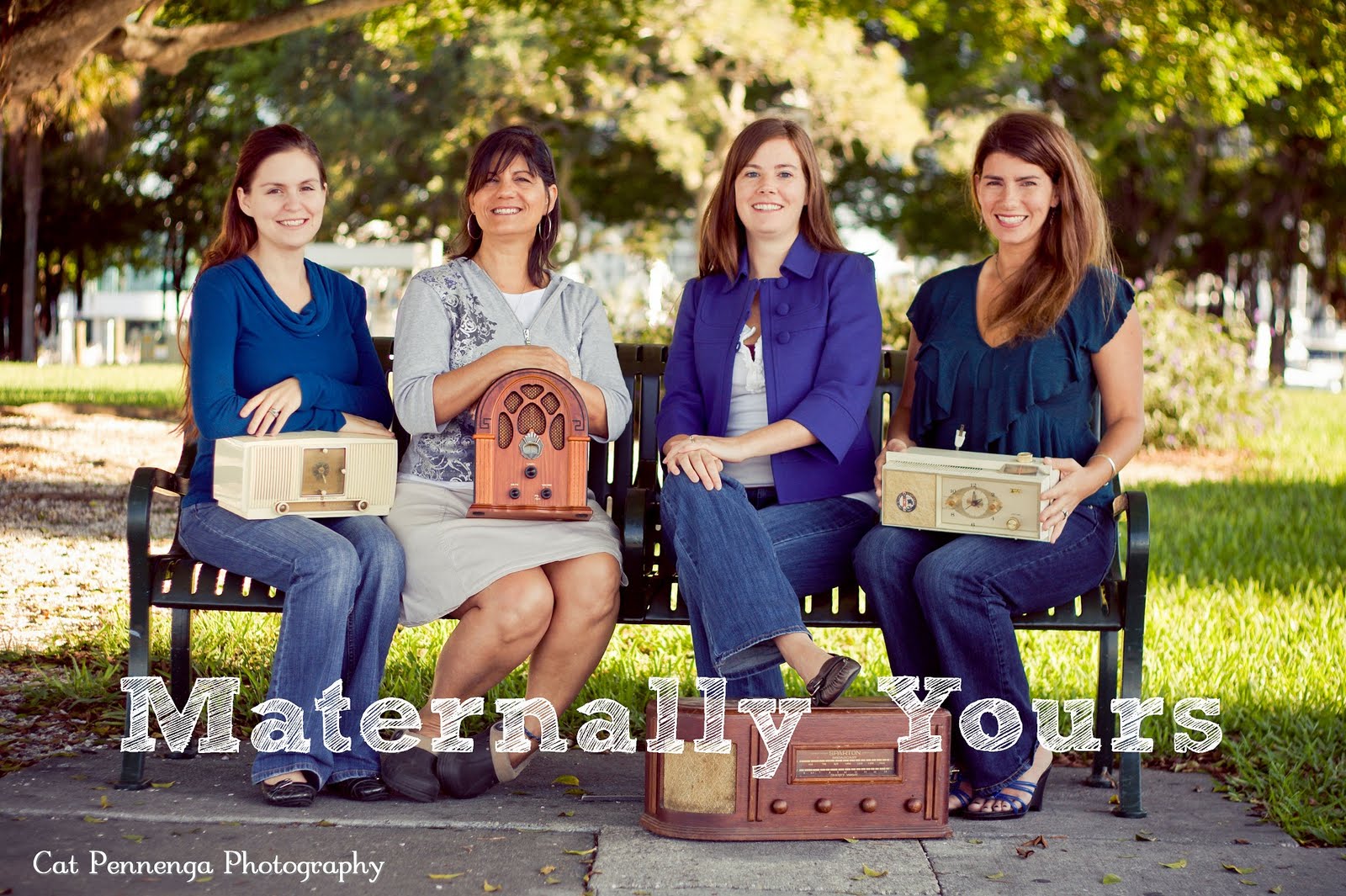
About Maternally Yours: Maternally Yours is Sarasota's Conversation about Pregnancy, Childbirth and Early Motherhood. The Conversation airs on Tuesday nights at 6:00pm on YOUR Community Radio Station, WSLR 96.5 LPFM. The hostesses of Maternally Yours are Cheryl Kindred, Carmela Pedicini, Ryan Stanley and Laura Gilkey. The mission of Maternally Yours is to educate and inform our community about the options, support, and evidence-based best practices available to them in maternal-child healthcare.

About Bumi Sehat: Founded in 1995, Bumi Sehat is a non-profit, village-based organization that runs two by-donation community health centers in Bali and Aceh, Indonesia. We provide over 17,000 health consultations for both children and adults per year. Midwifery services to ensure gentle births is at the heart of Bumi Sehat and our clinics welcome approximately 600 new babies into the world each year. For more information, please visit www.balibumisehat.org.

About WSLR 96.5 LPFM: WSLR is an innovative, listener-supported, non-profit, non-commercial FM radio station dedicated to serving the Sarasota community. WSLR features locally produced programming and presents cultural, artistic, and political perspectives currently underrepresented in the media. Our goal is to inform and empower listeners to play an active role in WSLR and in their community. WSLR’s programming promotes equality, peace, sustainability, democracy, and social and economic justice. For more information, please visit www.wslr.org.

Wednesday, December 7, 2011

Ina May Gaskin's Acceptance Speech: The Right Livelihood Awards, 2011

It is a great honor to have been chosen as the first midwife to receive the Right Livelihood Award. In accepting this award, I feel a deep sense of responsibility to my fellow midwives throughout the world. Most of us necessarily share an awareness of powerful forces that now threaten the continued existence of the profession of midwifery in many parts of the world.

Rates of cesarean section are rising rapidly in most countries, far beyond the upper limits recommended by the World Health Organization. As cesarean rates increase, rates of maternal death and serious injury rise as well, and women’s fears of birth increase. At the same time, time-honored knowledge and skills begin to vanish. I have visited private hospitals in Brazil where the cesarean rate was 95%, because women (and their doctors) had become so afraid of the normal process of birth that the cesarean became the default.

When surgical and technological interventions in birth become the norm rather than the exception, the profession of midwifery loses its basis for existence, and obstetrics itself no longer encompasses the skills and knowledge that were once considered essential competencies of the profession. I’m speaking of the skills and knowledge necessary for assisting vaginal breech birth, the birth of a second twin, the ability to manually assess fetal weight, to distinguish between normal labor pain and pain that warns of complication, to determine the position of the baby in the womb, to change it when it is unfavorable, and even to accurately diagnose pregnancy. To explain what I mean by this last-mentioned skill, we in the U.S. have already come to the point of discovering several cases of false pregnancies diagnosed only after a woman’s abdomen was opened for a cesarean, an order of mistake that could hardly have been imagined two or three decades ago, when physicians’ education in manual skills was still considered important. The shrugging off of traditional knowledge in the U.S. had progressed to the point that by the 1990s, the two major obstetrics textbooks no longer included any reference to the phenomenon of false pregnancy (pseudocyesis), even though it has always been known to exist in humans, as well as other mammals. Only a country which has become superstitious in its use of technology could imagine that the use of imaging technologies could eliminate the need for teaching traditional manual diagnostic skills and all of the phenomena that occur in women’s reproductive lives.

The history of birth in the U.S. during the 20th century illustrates well how essential a strong midwifery profession is if women are not to be held within a web of fear concerning their bodies’ supposed defects when it comes to giving birth. The elimination of the profession of midwifery in the U.S. in the early 20th century paved the way for a factory model of hospital-based maternity care that by the mid-century had two-thirds of all babies pulled from their mothers’ bodies with forceps. Such a radical overuse of forceps did not happen in countries in which the value of a strong midwifery profession was recognized. With no midwives present in hospitals to instruct medical students in the wise ways of nature, men with the least understanding of the conditions necessary for women to give birth in a humane way soon came to believe that birth was necessarily a brutal and bloody affair and that human females actually represented a serious failure on the part of nature – one that could only be remedied by routine use of technology and medication. Now the profit motive really began to emerge vis-à-vis birth, and fear, greed, and ignorance have combined to make a nasty brew, as well as a witch-hunt against midwives who work according to the rhythms of nature.

The belief soon grew that babies would be most safely born when the mother’s body was intentionally injured in order to free the baby, with the further rationale that such an injury would prevent worse injuries that would otherwise occur. Such myths, unfortunately, are perpetuated through Hollywood films, which usually focus on birth complications for dramatic value, while physiological birth is not depicted because of taboos against showing the relevant portions of the female body.

As one of the mothers who knew there was nothing wrong with my body and that the birth of my first child by forceps had been unnecessary – risky for me and my baby, with no discernible benefit, and psychologically harmful as well – I was left to find an escape route for myself for my next pregnancies. This dilemma prompted me to arrange for my own midwifery education (as I was unaware of that any other way was available), an arrangement that I was able to accomplish with the timely help of four physicians who also saw the need for midwives in our country. Free to learn from any sources I considered relevant, I learned from non-literate traditional midwives, from old books, and animals, as well as from kind physicians.

From the beginning of the Farm Midwifery Center, my colleagues and I placed women’s needs at the center of our policy-making and found that this way of organizing care yielded huge benefits for our babies as well as their mothers. We learned how to prevent complications by providing good antenatal care and we developed practical methods for preventing unnecessary cesareans and inductions of labor.

Looking around, I found some other midwifery services backed by supportive physicians in other parts of the world with outcomes that were nearly identical to ours. The midwives who worked with the late Dr. John Stevenson in south Australia, those who worked with Dr. Alfred Rockenschaub in Vienna between the mid-60s and the mid-80s, and those still working with Dr. Tadashi Yoshimura in Okazaki City, Japan, all reported cesarean rates well under 5% with good newborn outcomes – just like ours. This was especially interesting, since we hadn’t previously been aware of each other’s existence. Unfortunately, in each case, these physicians – instead of being saluted by their peers – were treated as if they were hopelessly out of tune with the times and therefore irrelevant. We need to honor these men, who are still writing and teaching anyone willing to listen.

Now that many industrialized countries are reporting cesarean rates of 30% or more, despite the fact that midwives have always been accepted members of maternity care staff, it’s important to recognize other factors that drive up rates of intervention in birth. Popular culture, the profit motive, fear, prudery, and ignorance all play a role and should be addressed.

What is often missed is that excessive cesarean rates have other negative consequences than the loss of midwifery and obstetrical knowledge and skills. Simply put, as rates rise beyond 15-20%, more women die from complications such as pulmonary embolism, infection, hemorrhage, and a sharp increase in placental complications in subsequent pregnancies. None of the countries with
the highest cesarean rates can report on low maternal death rates. This is especially true of the U.S., where women now face at least twice the chance of dying from pregnancy-related causes as their mothers did. In California, between 1996 and 2006, the maternal death rate tripled, with much of the increase being attributed to an excess of cesareans. Don’t expect the U.S. to report these telling facts with any accuracy, though, because the current lack of an infrastructure that requires and produces accurate and consistent reporting, and analysis of maternal deaths, means that the official maternal mortality figures represent possibly only a third to a half of the actual numbers.

To avoid facing the problems that we are now experiencing in my country, I have some recommendations to propose:

Countries with increasing cesarean rates should consider taking positive steps to reverse this trend, including stepped up efforts if rates rise about established limits. Midwives should be placed at the gateway to maternity care, instead of being introduced to women late in pregnancy and grudgingly if at all. This model of care recognizes that a woman’s confidence and ability to give birth, care for, and breastfeed her baby and the baby’s ability to feed effectively can be enhanced or diminished by every person who gives them care and by the birth environment. Because of this, all care given during the time surrounding birth should give the needs of the mother-baby pair precedence over the needs of caregivers, institutions, and the medical and insurance industries. Individual hospitals should consider implementing the 10 Steps to Optimal MotherBaby* Maternity Services (www.imbci.org).

Midwives must have an important say in the formation of maternity care policy. Care should be individualized and founded upon consideration and respect for every woman. When not under
threat of a dominant medical profession, which is itself dominated by a powerful insurance industry or a powerful hospital industry, midwives can provide care that is organized around the principle that women’s and children’s rights are human rights and that access to humane and effective health care is a basic human right. Independent midwives must be able to make a living from their work, which means that insurance companies should not be permitted to charge such high premiums that it becomes impossible for them to make a living.

We must wake up to the fact that it is easy to scare women about their bodies, especially in countries in which midwives have little or no power in policy-making, relative to physicians and the influence of large corporate entities. This takes no real talent. Given such imbalance, fear, ignorance, and greed begin to reinforce each other, and rates of unnecessary intervention soar, with women and the babies suffering the consequences. Birth care must not be profit-driven. This makes incentives to cause problems, not prevent them.

For this reason, there should be no more fee-for-service payment – for instance, financial reward for the unnecessary use of a vacuum extractor.

If all countries put the welfare of mothers and babies at the center of maternity care policy, midwifery would have to grow strong again. In some countries, such as my own, it will be necessary to greatly increase the number of midwives as just one of the ways to prevent complications and to reduce rates of medical intervention in birth. We’ll need lots of doulas as we make this transition. Midwives need to have a say in the major issues surrounding birth. In countries where they currently work under the intense domination of obstetricians, the work will be to bring the relationship back to one of balance. Midwives cannot allow obstetricians to bully them, because doing so is almost certain to mean that laboring women will be the next ones to be bullied.

Attempts to make home birth illegal in any country will only distract from the real problems and exacerbate them, since planned home birth for healthy women provides a necessary safety valve for women who want a wider range of choice than their hospital might offer and a learning opportunity for midwives to learn about women in their natural state. Home birth midwives must be able to make a living from their work, and insurance companies should not be permitted to keep home birth midwives from being compensated for their work. Home birth midwives are being persecuted in almost every country, even in The Netherlands, where home birth services have a long and honorable tradition. I believe the development of a country can be measured by the degree to which it respects the right of a birthing mother to receive a woman centered birthing experience, whether the birth occurs in a home or hospital setting. In this regard the current situation in Hungary greatly disturbs me. There, the failure to fully provide and protect this important right is highlighted by the prolonged discrimination and mistreatment of the independent midwife Dr. Agnes Gereb. Agnes has spent more than 20 years trying to defend the fundamental rights of mother and child and in doing this she has been imprisoned, recently received a further 2-year prison sentence and has been held under house arrest for the past year. I now ask the Hungarian government to intervene to stop the abuse and unjust treatment of this internationally respected homebirth expert.

Birth shouldn’t be thought of as money-making commodity or condition in which large institutions or governments control and dictate how women will give birth, ignoring individual mother’s wishes and needs. Inevitably, this too often puts bullies in charge of women’s bodies, something no other mammalian species allows. Some countries have midwives who are totally subordinate to physicians. In these countries, it’s typical for very harsh methods of birth care to be applied, and outcomes show this. It’s time to stop this sort of behavior. Traditional peoples, indigenous people don’t permit such behavior. We need to learn from them.

Wednesday, November 16, 2011

Sarasota Leads Statewide Prematurity Awareness Month Campaign

Would you please pass the cranberry sauce and the facts?

Just as families are preparing to gather together in celebration of the Thanksgiving holiday, theFlorida Association of Healthy Start Coalitions (FAHSC) and March of Dimes Florida Chapter are launching a campaign as part of Prematurity Awareness Month (November). “Healthy Babies are Worth the Wait” is designed to raise awareness about the myths and risks of premature births, as well as educate the public about the importance of staying pregnant at least 39 weeks if a pregnancy is healthy.

According to studies, a growing number of babies are delivered between 37 and 39 weeks. Many of these births occur as a result of planned or scheduled deliveries that are not medically necessary. Nationally, labor induction rates during these weeks have more than doubled from 9.5 percent in 1990 to nearly 23 percent in 2006. In Florida, preterm birth rates increased from 12.8 percent in 2000 to 13.5 percent in 2009. Sarasota is one of seven priority communities leading the statewide community education campaign being launched by FAHSC and Florida March of Dimes in observance of Prematurity Awareness Month. Hospitals in these communities are participating in a statewide quality initiative to reduce elective deliveries.

Non-medically required preterm deliveries pose increased risks to an infant’s life including neonatal hospitalizations, death, respiratory stresses, developmental delays and learning disabilities.

“We are pleased that our coalition and community have been selected to lead statewide education efforts to reduce the risk of babies who are affected by late preterm deliveries and non-medically necessary inductions and c-sections,” said Jennifer Highland, Executive Director, Healthy Start Coalition of Sarasota County, Inc. “There is an alarming misconception among many that a baby is full term and ready for delivery at 36 weeks…so, unfortunately, we see a lot of mothers seeking to schedule C-sections or induced deliveries when there is no medical reason to do so. This campaign will help Sarasota citizens understand that the last weeks of pregnancy actually do count.”

Sarasota is joined by Miami-Dade County, Broward County, Palm Beach, Fort Myers, Tampa and Santa Rosa County as lead participants in the “Healthy Babies are Worth the Wait” statewide campaign, being implemented by the Florida Association of Healthy Start Coalitions with funding from the March of Dimes.

The March of Dimes is a national voluntary health agency whose mission is to improve the health of babies by preventing birth defects, premature birth and infant mortality.
Founded in 1938, the March of Dimes funds programs of research, community services, education and advocacy. For more information, visit marchofdimes.com/florida.

Founded in 1991, the Florida Association of Healthy Start Coalitions is a statewide network of 32 Healthy Start Coalitions that exchange and disseminate resources and information designed to improve maternal and child health. FAHSC was awarded a March of Dimes Florida Chapter Community grant in March to educate Florida women, families, medical professionals and providers about preterm risks.

Saturday, October 15, 2011

Vote Robin Lim as 2011 CNN Hero of the Year

Robin Lim, the midwife featured in the film Guerilla Midwife, shown on the International Day of the Midwife in Sarasota in 2010, has been chosen as a Top 10 CNN Hero of the Year Nominee. If she wins this honor, her non-profit organization Yayasan Bumi Sehat will receive $250,000. People can vote for Robin 10 times per day until December 7th. This money would help Robin save so many mothers and babies; her birthing sanctuaries offer free prenatal care, birthing services and medical aid to anyone who needs it, in areas of the world where postpartum hemorrhage, obstetric fistula, and lack of prenatal care claim far too many lives.

"Naturally I hope that being a CNN Hero will bring attention to the global need for better maternal and infant survival care," says Robin Lim. "Bumi Sehat has a huge responsibility keeping the two community health and childbirth clinics open. There is also the Bumi Youth Education Center, our scholarship program, village recycling and environmental stewardship.

"We do capacity building for Indonesian midwives from many islands and countries. Bumi provides free ambulance and emergency medical service, HIV/AIDs counseling and testing, pediatric care, free weekly special clinics to treat chronic illness. We have elderly and prenatal exercise programs. Bumi Sehat is open 24 hours a day, every day of the year. In the first eight months of 2011 Bumi Sehat has helped 20,500 patients and delivered nearly 400 babies for free!"

Quite close to the epicenter of the 2004 Indian Ocean tsunami disaster, Bumi Sehat operates a clinic which also sponsors capacity building for youth education and environmental protection. "Bumi Sehat needs the CNN #1 award, and will put it to use doing culturally appropriate sustainable care. Imagine a world in which each child is born with an intact capacity to love and trust. This is the world midwives work day and night to build."

Click here to VOTE for Robin Lim. A vote for Robin Lim is a vote for gentle birth, for mother and child survival, for culturally sensitive natural community health care and disaster relief, for midwife-to-mother care that effectively saves lives.

BIRTH STORY: We Become Three

(written by Kassandra Lowther, about the birth of Aiden Anthony, born 10.10.11)

I awoke at 6am on the dot on 10/10/11, not feeling "right." Anthony sat up at the exact same time that I did and just looked at me; he says now that he just "knew." I was having a lot of intense period-like cramps that would leave me falling to the ground. I went to the bathroom thinking I had to take a poop, which I did; I thought that after that, the pain would go away and I could go back to sleep. Boy was I wrong!

I tried laying back down but I was in too much pain to sit still. Anthony was on and off sleeping at that time, still making sure I was alright every few minutes. I tried going to the bathroom again--nothing. Only a piece of toilet paper's worth of blood. I texted my mom and she responded that she was surprised I was awake so early and asked me to keep her posted. I finally went out into the living room and logged onto facebook to ask if anyone else had ever experienced the kind of pain I was, during labor or just at the end of pregnancy in general; many of my friends said it sounded like labor!

I went onto contractionmaster.com and started timing my contractions, they would come anywhere from 6-7 minutes apart and would last anywhere from 45 seconds to a minute. These were pains I could not talk through, walk through, etc. I knew either something was wrong or I was in labor. I told Anthony he could go to work, that I wasn't exactly sure if I was in labor or not and I didn't want to have him call off if it was only random pains like usual. I timed the contractions for about an hour and realized that I had been having these pains for about 3 hours--time to call the midwife.

I paged the on-call midwife at 8:48am and waited about 2 minutes until I got a call back. Harmony Miller was on the line, I explained to her everything I was feeling--the blood, the contractions; I had multiple contractions that left me breathless while on the phone with her. She said that it definitely sounded like I was going into labor, that I should keep timing the contractions and said that "I will know" when I need to come in and to call her when I need her. Lucky me that was the day she had come back from her maternity leave, her son Cairo would be attending his first birth--mine!! I then called my mother and asked her to come over, that Anthony was at work and I needed someone there with me; she told me after that she could tell by the way I was talking that I was totally in labor.

My mom showed up and she helped me through many contractions; she tried rubbing my back a few times but I just didn't want to be touched. We called Anthony (he had been at work for about a half an hour) and told him that he NEEDED to come home, that I was in labor and we had to get to the birthing home soon. He came through the door about 10 minutes later and asked me if I was sure I was in labor, ohhh yes I was!

He and my mom helped me through more contractions. I was grabbing onto the edge of the couch and on the floor begging for a trash can because I swore I was going to throw up. All I could smell was garlic bread from dinner the night before; it made me gag but I just couldn't throw up. Anthony called Harmony at 10:34 and told her that we were on our way to the birthing home. She said for us to call when we were out the door. I know now why she said that. It took me about 20 minutes just to get off the floor and out of the house.

On the way to the birthing home I wasn't even in the seat of my mom's convertible, I was on the floor in between the front passenger seat and the back seat in sooo much pain; the contractions were definitely a lot more intense. Some a-holes decided to honk at us from behind so I flicked them off, they then pulled in front of us and went about 10mph ON FRUITVILLE just to get me back for giving them the finger. Anthony was so irritated at that and almost jumped out of the car.

We arrived at Rosemary Birthing Home and it took me about 5 minutes just to get out of the car because I was finally and constantly throwing up into a big black trash bag. Anthony helped me waddle my way up the steps and into the birthing home. I looked and saw the sign on the door that said something like "There is a baby being born today!" I couldn't help but smile because I knew that it was put up specifically for me!!

We walked inside and hurried me up the stairs before the contractions came again. The moment we got into the purple birthing room I was already on the floor in pain. My mom got me some water and I was drinking "Frost" Gatorade like there was no tomorrow, although no liquids could quench my thirst. Harmony arrived soon after and I was on the bed on all fours, holding onto Anthony's hand for dear life as yet another intense contraction overcame my body. She asked if she could check me and of course I wanted that more than anything, because if I was only 1-4cm dilated and in that much pain I would've been so mad. I laid on my back and I started having another contraction, she waited patiently and quickly after it subsided stuck her fingers in for a check. The look in her face was pure shock, I don't remember exactly what she said but it was something along the lines of "Oh! You are 6-7cm dilated and STILL stretching as I keep my fingers in!" I was dilating rather fast!

I asked for the birthing tub to be filled because I knew the warm water would put my body and mind at some ease. I kept laboring on the bed with Anthony by my side for what seemed like forever. I kept staring at the birth tub praying in my head for the water to fill up faster; it was taking so long! Anthony's mother and grandma showed up at some point then, I was fully focused on the contractions at this point. I remember saying hello to them and telling Michelle how I loved what she did with her hair! I was given a green bowl to throw up into, it was in front of me on the bed; I had nothing in my system besides Gatorade and water so mostly I was vomitting bile (ew).

Finally the birth tub was "full enough" that I could at least get in and relax. We got into the tub and the heat of the water felt AMAZING, I never thought that water could ever feel so orgasmic. With each contraction came all new sensations: the feeling of wanting to poop, the most intense back pains I've ever felt in my life, the want to get out and give up. I remember looking over and my mom a million times shaking my head, she would just smile and nod; letting me know without saying a word that I can do this. Those looks really got me through it. She kept trying to take my green bowl away from me though, which I kept in the water with me the whole time because I kept feeling like I was going to throw up, which I actually never did; I guess I was just territorial over it!

Grandma Pat kept going downstairs to get ice chips and my mom would feed them to me, and although they didn't seem to help with anything, they still felt amazing to chew on. Anthony was behind me in the birth tub putting pressure on my back with each contraction that passed, most of the time his hands felt to almost make the pain feel worse and I remember smacking his hands away a few dozen times. I then felt inside of me and could feel my bag of water still intact, and behind that I could feel Aiden's skull...it was only about a fingertip away but never seemed to want to budge. I looked around the room many times during labor and kept telling Harmony and the rest of the birth team that I couldn't do it, that it hurt so bad. They kept telling me that I was doing an amazing job and it would be over soon, so I kept trying. Every contraction now sent me into wanting to PUSH, I'd push so hard and feel Aiden coming out but then I would have the feeling to poop so I'd stop pushing. Even though I was in so much pain I really didn't want to poop on my husband who was sitting behind me, it would just feel so awkward to me. The only time I had cussed during labor was about this time, when I yelled "God damnit!" after which I apologized to everyone in the room.

Finally after a few hours of trying not to let my bowels out I turned around and faced Anthony; holding onto his knees, legs, arms, hands, hugging him so tight with every contraction. I finally couldn't hold it anymore and pooped, just little particles came out but at least they came out behind me and not right in front of Anthony. Every contraction after that I kept pooping out little peices; Harmony told me that that meant Aiden was very close, that he was pushing on my anus. It honestly did feel like he was trying to come out of my butt and not my vagina, it was awful! One of the birth assistants (I don't remember her name, sorry!) helped put pressure on my back as I squeezed Anthony's leg through yet another painful contraction. I felt "down there" and I could feel my bag BULGING, I knew he was close. I gave out a really hard push and could feel Aiden's head giving way, coming out into the tub. I leaned back a bit and just let the pain over-take me, this was definitely the most painful part of my labor. All of a sudden everyone was around the tub watching as Aiden's head, then shoulders, then whole rest of his body came out of me. Anthony told me later on that he asked Harmony if he could still breath while inside the sac, she assured him that he was still breathing oxygen and not to worry. Anthony then had him in his hands and pulled him out from the water. There he was, our beautiful baby boy. The moment I saw him all the pain had disappeared, like the labor never happened and my perfect little boy had just come out of the water out of nowhere.
Aiden Anthony Lowther was born on 10/10/11 at exactly 4pm; caught by his daddy Anthony R. Lowther, after a 10 hour all natural labor in the water at Rosemary Birthing Home. He was born still in his sac, which I was told later is very rare, there are several old wives tales about it. Aiden weighed 7lbs 7oz and measured 21in long.

I have never experienced something so amazing in my life, and I definitely plan on having more natural water births in the future. Thank you to everyone who was there, for your support and love; I couldn't have done it without you guys!!!

Wednesday, October 12, 2011

Introducing Maternally Yours Radio

I am proud to introduce to you a new radio program I am co-hosting, and am honored and very excited by the opportunity before us. I invite you to tune in and welcome your feedback!
Earlier this month, four Sarasota mothers launched a weekly radio program dedicated to maternal health. “Maternally Yours: Sarasota’s Conversation about Pregnancy, Childbirth and Early Motherhood” airs every Tuesday night at 6:30pm on Sarasota’s community radio station, WSLR 96.5 LPFM. It is the first ever local broadcast dedicated to the subject, and WSLR’s first program hosted by a collective of women.

Maternally Yours is an opportunity for Sarasota to learn about issues affecting pregnant families, infants, and young children from a consumer perspective. The program will be hosted on a rotating basis by four women well-known in the community for their expertise in the areas of pregnancy, childbirth, and the postpartum period. The hostesses will invite local experts in the fields of midwifery, obstetrics, nursing, pediatrics, healthcare administration, breastfeeding, doula work, public health, and consumer advocacy, as well as (and often) parents who might share their experience on a given topic. The show will offer listeners a broad range of perspectives and opinions incorporating all models of maternity care available.

“This is such a balanced, judgment-free, thoughtful, refreshing show,” says Sarasota mother Abby Weingarten. “What a gift to our community!”

The hostesses of Maternally Yours are Cheryl Kindred, Carmela Pedicini, Ryan Stanley and Laura Gilkey. Cheryl is a certified birth doula, birth assistant, childbirth educator, MotherBaby advocate and leads local groups for Babywearing education and postpartum support. Carmela is an Independent Childbirth Educator, Certified Lactation Counselor, Licensed Practical Nurse, and local musician. Ryan is a long-time Sarasotan and young mother whose daughter’s birth shifted her career path toward Postpartum Doula certification. Laura is an advocate for evidence-based maternity care, a board member for Florida Friends of Midwives and the Healthy Start Coalition, author of the blog Born in Sarasota, and marketing director for The Safe Motherhood Quilt Project.

The unifying voice of the programmers is a genuine desire to empower women to take control of their bodies, their pregnancies, their births, and the raising of their children. “We all believe deeply in informed consent and allowing families to make their own choices,” says Laura. “The best way for them to do so is with evidence, information, and support.”

To listen to Maternally Yours, please tune into WSLR 96.5 LPFM every Tuesday evening at 6:30pm. The program is also available via live streaming on wslr.org, and podcast at podomatic.com/profile/maternallyyoursradio. For more information, please contact the hostesses of Maternally Yours at MaternallyYoursRadio@gmail.com, or call (941) 915-8115.

About Maternally Yours: Maternally Yours is Sarasota's Conversation about Pregnancy, Childbirth and Early Motherhood. The Conversation airs on Tuesday nights at 6:30pm on YOUR Community Radio Station, WSLR 96.5 LPFM. The mission of Maternally Yours is to educate and inform our community about the options, support, and evidence-based best practices available to them in maternal-child healthcare.

Monday, October 3, 2011

Guest Column: Safe Childbirth Advocate Honored

My gratitude to the Sarasota Herald Tribune for printing the following editorial on Monday, October 3rd.

In 2009, American midwife Ina May Gaskin visited Sarasota. She spoke to the physicians at Sarasota Memorial Hospital, displayed her Safe Motherhood Quilt Project at the Selby Public Library, and sat on a panel of experts at the conference on Maternal Healthcare in the 21st Century. She shed some light in our community on the evolution of American maternity care, our current maternal mortality crisis, and the model of care and accountability we must embrace to change it.

These are the kinds of visits Ina May makes on an almost weekly basis, in between delivering babies at The Farm, the "intentional community" in Tennessee she and husband Stephen Gaskin developed in 1970. One book, one airplane flight, one community at a time, she uses her 40-plus years of midwifery experience and research to educate and call to action those of us who are compelled by the fact that, while the United States spends more money on maternity care than any other nation, we remain ranked 50th in maternal mortality and 41st in infant mortality, according to the World Health Organization.

Recently, Ina May received the highest honor of her career thus far: The Right Livelihood Award (rightlivelihood.org), commonly referred to as the "Alternative Nobel." The award, established in 1980, honors "those offering practical and exemplary answers to the most urgent challenges facing us today." Among 2011's four Laureates, Ina May was chosen "for her whole-life's work teaching and advocating safe, woman-centered childbirth methods that best promote the physical and mental health of mother and child."

The Gaskins will travel to Stockholm in December to accept the honor, which will be presented by Sweden's Parliament.

This will be the second time they have done this as husband and wife; in 1980, Stephen became the first Right Livelihood Award Laureate for his establishment of PLENTY International. This is the first time a husband and wife have each been laureates of the award, causing the Right Livelihood Foundation to liken the couple to Marie and Pierre Curie.

Today, Ina May focuses her efforts heavily on The Safe Motherhood Quilt Project (rememberthemothers.org), in which each quilt square honors a woman who has died in childbirth in the United States since 1982. The Project aims at summoning the national will necessary to lower the rising maternal death rate by creating a consistent, mandatory system for reporting, classifying and counting maternal deaths, and reviewing and analyzing their causes.

She is also engaged in a national information campaign, aimed at women and medical professionals, about the potential side effects of using Cytotec, or misoprostol, to induce labor. She continues to teach and speak to physicians and midwives worldwide, and has traveled to Argentina, Canada, Mexico, Brazil, Costa Rica, Sweden, Norway, Denmark, Iceland, Germany, Switzerland, Israel, Italy, Austria, France, the Netherlands, Slovenia, Russia, Hungary, the Czech Republic, Spain, Australia, New Zealand and Japan to do so.

When I was newly pregnant for the first time in 2004, the first book I read was Ina May's "Spiritual Midwifery." Like so many other new mothers, I relied on the birth stories and wisdom so frequently that its pages were dog-eared and tattered by my due date. Since that bestseller, she has penned: "Ina May's Guide to Childbirth," "Ina May's Guide to Breastfeeding" and "Birth Matters: A Midwife's Manifesta," published just this summer. I encourage people to read this most recent work, describing the evolution of our maternity care system, and the path we must take to improve it, not only for the highest good of our mothers and babies, but for nations worldwide that strive to replicate our model of care.

"A society that places a low value on its mothers and the process of birth will suffer an array of negative repercussions for doing so," says Ina May Gaskin. "Good beginnings make a positive difference in the world, so it is worth our while to provide the best possible care for mothers and babies throughout this extraordinarily influential part of life."

We as a nation should celebrate Ina May Gaskin, the U.S. 2011 Right Livelihood Award Laureate, with collective pride and gratitude. Her tireless dedication to her calling has rippled throughout the world, and it is up to us to carry her message. It is a privilege to work with Ina May, and the highest honor to call her my friend.